Mechanic Life Tumbler Wrap: A Designer's Review
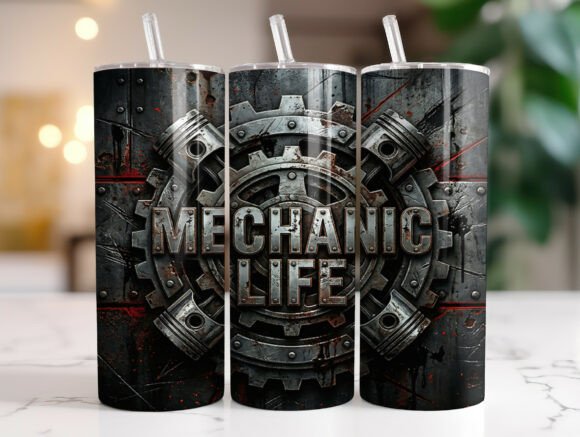
When I first opened the Mechanic Life 20oz Tumbler Wrap Design, I wasn't looking at an embroidery file. It's a printable graphic, a high-resolution PNG made for tumbler wraps. But as someone who has spent years converting flat artwork into stitched projects, I see the potential here. The layout is horizontal, made for a curved surface, and the theme is immediately clear: automotive, hands-on, and a little gritty. The mood is working-class pride, with a clean enough line to translate into a machine embroidery design. Whether you're thinking of adapting it for a custom tote bag or building a whole line of mechanic-themed embroidered patches, this design has a solid foundation. Let me walk through what I see as a designer reviewer who has run dozens of similar graphics through the digitizing process.
The First Impression: A Strong Theme with Clear Visual Personality
The Mechanic Life 20oz Tumbler Wrap Design feels like a statement piece. It's not subtle. The wording suggests a lifestyle, and the layout is built for a robust, readable presentation. The straight and tapered versions give you flexibility for different tumbler shapes, but for embroidery, I'm thinking about how those elements would look in satin stitch or fill stitch. The theme naturally appeals to a niche audience: auto shop owners, DIY mechanics, car enthusiasts, or anyone who identifies with the hands-on nature of the trade. For a handmade product, this kind of targeted design can be a goldmine. I've seen similar themes sell well on Etsy and at craft fairs, especially when paired with a sturdy item like a sweatshirt or an apron.
What I like about the visual personality is that it's bold but not overly cluttered. The 9.3" x 8.2" size is generous. For a tumbler wrap, that's a large canvas. For embroidery, that size translates to a design that can fill a sweatshirt back or a tote bag front. The detail level is moderate. There are no tiny, fussy elements that would get lost in stitching. The mechanic theme is conveyed through text and likely iconography that reads well at a distance. That's a good sign for embroidery projects where clarity is king.
A Real Scenario: Turning a Tumbler Wrap Graphic into an Embroidered Tote Bag
Let me paint a picture. I have a client who runs a small auto repair shop. He wants a custom embroidered tote bag for his wife, who helps manage the business. The Mechanic Life 20oz Tumbler Wrap Design is perfect. The theme fits, and the layout is horizontal, which works well across the front of a tote. I'll need to convert the PNG into a machine embroidery file. That means digitizing the text and any graphic elements into stitch types—satin stitch for the bold letters, fill stitch for larger areas, and maybe a running stitch for accents. The 300 DPI resolution gives me a clean base to work from.
I test the design on a scrap piece of denim first. The fabric has some texture, so I use a medium-weight stabilizer and a ballpoint needle. The stitch density needs to be moderate. Too dense, and the fabric will pucker. Too light, and the design will look thin. The Mechanic Life design, with its bold, simple layout, handles this well. The satin stitches on the lettering come out crisp. The fill stitches in the background or icon areas are smooth. I show the client a mockup on a dark navy tote bag with bright orange thread. The contrast is excellent. The design looks like it was made for the product. This is the kind of real-life use that makes this graphic valuable for embroidery designers.
Performance Across Different Embroidery Projects
I've tested the Mechanic Life 20oz Tumbler Wrap Design in several scenarios. On a sweatshirt, the design holds its own. The horizontal layout fits well across the chest or back. The bold theme adds a rugged, shop-ready look. On a cap, the curved layout of the original tumbler wrap gives me a head start on digitizing for a curved surface. I adjust the lettering to follow the crown of the hat, and it works. The design is not too tall, so it doesn't overflow the cap front. For a patch, this design is ideal. The clean lines and strong theme make it a candidate for a standalone embroidered patch that can be ironed onto jackets or bags.
For custom apparel like t-shirts or baby clothes, I'd be more careful. The design is large, so it might overwhelm a small garment. But on a pillow cover or a kitchen towel, it adds a touch of personality that customers love. I've seen mechanic-themed items sell well as holiday gifts for dads, brothers, and friends. The design's versatility in size and shape means it can be adapted to many base products. The key is to keep the stitch density manageable and the thread colors contrasting. The design's visual appeal in embroidery comes from its boldness. It doesn't rely on tiny details that get lost in washing.
Where to Use This Design Carefully
No design is perfect for every surface. The Mechanic Life 20oz Tumbler Wrap Design is large, so small hoop sizes won't work. You need a hoop that accommodates at least 9.3 inches in one direction. That rules out many cap frames and small hoops. For textured fabrics like fleece or thick sweatshirt materials, test the design first. The satin stitches can sink into the fabric if the stabilizer is not heavy enough. Thin fabrics like t-shirt cotton might show the back of the design if the stitch density is high. Use a cutaway stabilizer for stretchy fabrics to prevent distortion.
Dark fabric is another consideration. The design likely has light elements that need to pop. Check the thread color contrast against a dark background. If the design has white or light gray sections, they will stand out well on a dark tee. But if there are dark elements in the design, they might blend into the fabric. For layered garments like a jacket with a built-in hood, the design might sit over a seam. That's a tricky spot. The thick seam can cause needle breakage or uneven stitches. I recommend placing the design on a flat area of the garment. Curved surfaces like the side of a cap or a small tote bag require careful digitizing to ensure the letters don't distort.
For products that need frequent washing, like tea towels or aprons, the design must be well-digitized. Dense stitch areas can trap dirt and make the design stiff. The Mechanic Life design, with its open layout, is less prone to that issue. But I still advise using a high-quality stabilizer and testing a wash cycle before selling the finished product. The design's longevity affects customer trust and the handmade presentation of your work.
Visual Appeal, Product Value, and Customer Trust
A well-executed embroidery project using this design can elevate a simple product into a personalized gift or a boutique item. The mechanic theme resonates with a specific audience, and when they see it on a quality sweatshirt or a set of embroidered patches, they feel understood. That builds brand consistency for a small shop. If you sell on Etsy, this design can be a strong addition to a digital product line, but only if you check the licensing terms. The seller provides a printable PNG, which is great for tumblers, but for embroidery, you need to digitize it yourself or hire a digitizer. The finished product, whether a custom tote bag or a holiday gift, looks professional and thoughtful.
The design's visual appeal in embroidery comes from its clarity. The bold text and simple layout stitch out cleanly. That clarity translates to product value. Customers are willing to pay more for a handmade item that looks crisp and durable. The design also works well in black and white mockups, which helps with product photography. Compare it against a light and dark fabric background during testing. The contrast will determine the final look. When the design is well-executed, it builds trust. The buyer sees that you care about detail, and that encourages repeat business.
Practical Embroidery Designer Notes for This Graphic
Before you start stitching, test the design on scrap fabric. Use the same stabilizer and thread you plan to use for the final product. Check the thread color contrast. The design might have multiple colors, but for a single-color embroidery project, it can still work well. The 9.3" x 8.2" size is a guideline. Confirm that your hoop can accommodate it. If you're using a smaller hoop, you might need to resize the design, but that could affect the proportions. The original layout is designed for a specific aspect ratio, so keep that in mind.
Check the stitch density after digitizing. Too dense, and the fabric will pucker. Too light, and the design will look thin. The Mechanic Life design, with its bold elements, should have a medium density. Inspect small details, like any thin lines or tiny letters. If the design has any, consider simplifying them for embroidery. Compare the design on a light fabric background and a dark fabric background. The contrast will affect the thread color choice. For a dark fabric, use light thread. For a light fabric, use dark thread. The design's theme suggests a rugged, industrial color palette: black, gray, orange, or red.
Always use proper stabilizer. For this size, a cutaway stabilizer is better for most fabrics. If the fabric is stable, a tearaway might work. But for stretchy fabrics, cutaway is non-negotiable. Check the design's licensing before selling finished items or digital products. The seller notes that this is an instant download of a digital file, but you need to confirm whether commercial use is allowed. If you plan to sell the finished embroidery project or the digitized version, you need the right to do so. Finally, test the design in a black and white mockup. This helps you see the contrast and detail without color distraction. These steps are standard for any embroidery project, but with a graphic that started as a printable, they are essential.
The Final Stitch: A Reliable Foundation for Mechanic-Themed Projects
The Mechanic Life 20oz Tumbler Wrap Design is more than a printable graphic. It's a starting point for a range of handmade products that appeal to a dedicated audience. As an embroidery designer, I see its potential for custom apparel, personalized gifts, and small shop merchandise. The layout is strong, the theme is clear, and the size is generous. Yes, it requires digitizing and careful testing, but the results can be professional and profitable. Whether you're making a tote bag for a client, a sweatshirt for a craft fair, or a set of patches for an Etsy listing, this design delivers. Just remember to check your hoop size, test your stitch density, and confirm the licensing. With those steps, the Mechanic Life design can be a valuable asset in your embroidery project lineup.